
DevelopmentOct 28, 2025
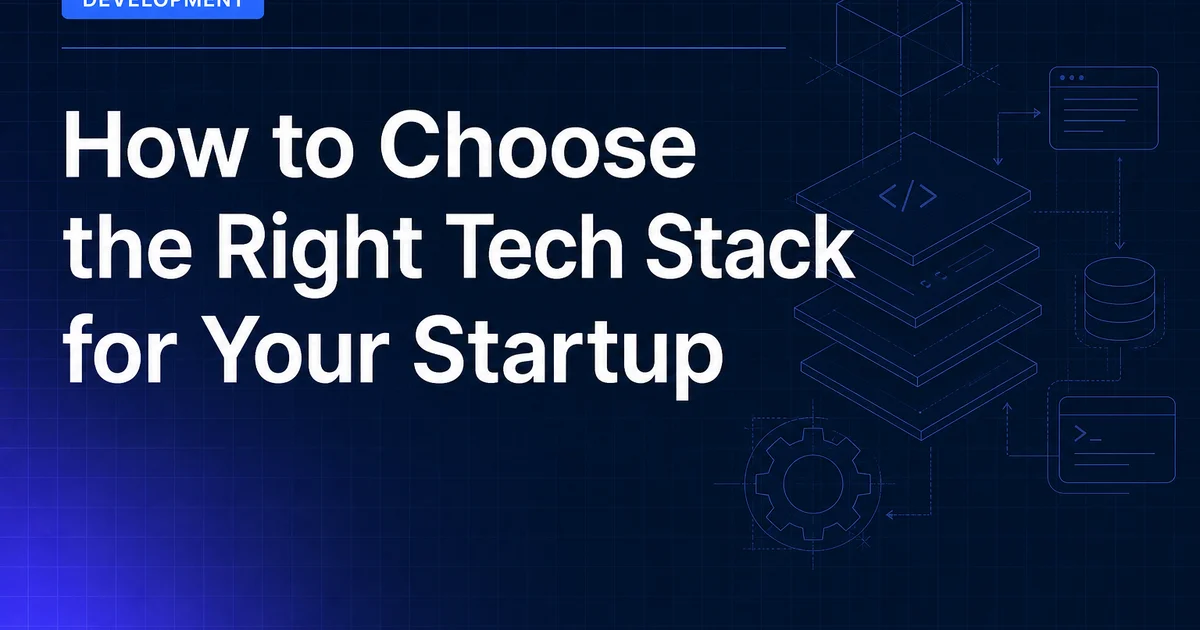
How to Choose the Right Tech Stack for Your Startup
A practical framework for evaluating technologies based on team skills, scalability needs, and time-to-market constraints.
Read 6 min read

Field notes on building software that ships — from architecture decisions and AI integrations to growth tactics and client outcomes. No fluff, no hype.
The article we think every builder should read right now.
Pick the area you care about most — every article is categorised and searchable on the blog.
A practical framework for evaluating technologies based on team skills, scalability needs, and time-to-market constraints.

We break down performance, ecosystem, hiring, and real-world project outcomes to help you pick the right cross-platform framework.

Beyond keywords: content clusters, programmatic SEO, and technical optimizations that drive qualified SaaS traffic.

Caching layers, edge rendering, and database patterns that keep a Next.js app fast under real load.
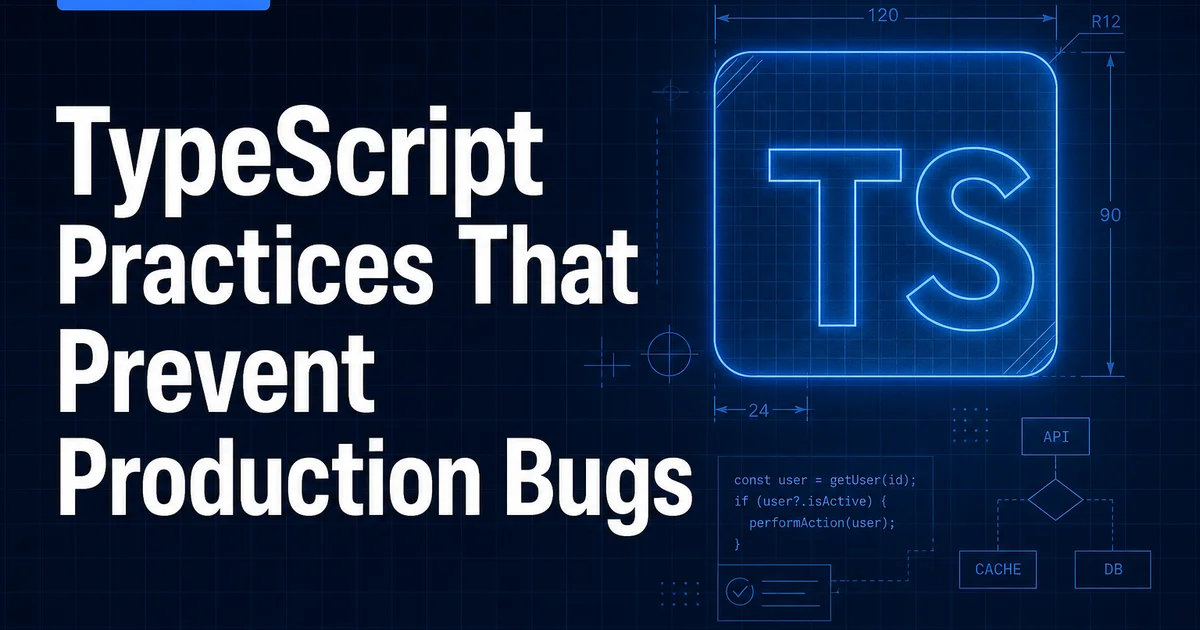
The handful of TypeScript habits that catch real bugs before they ship, and the ones that just add noise.
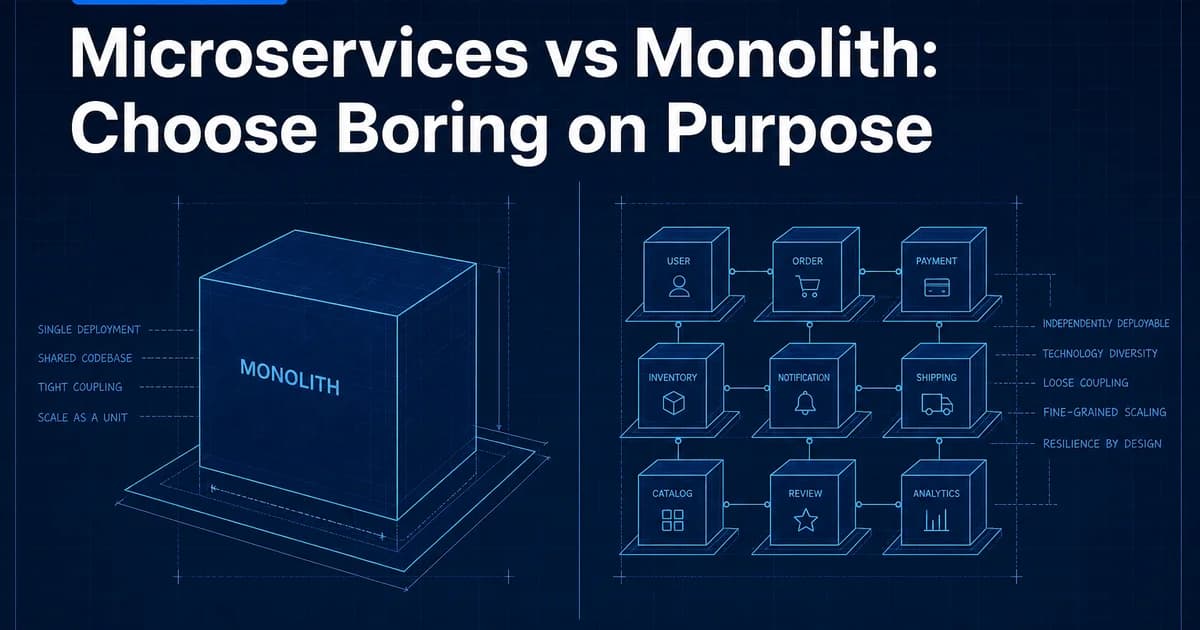
Most teams reach for microservices too early. Here's how to tell when the split is worth the cost.
Consistency, versioning, and error design that keep an API pleasant to use years after launch.
Why Postgres is the right default for most products, and the specific cases that justify something else.
What retrieval-augmented generation actually is, when it beats fine-tuning, and where it quietly fails.
Agents are powerful and risky. The controls that make autonomy safe in a real business.
When to retrieve, when to fine-tune, and when you genuinely need both.
Practical, ROI-positive vision applications, from quality inspection to document automation.
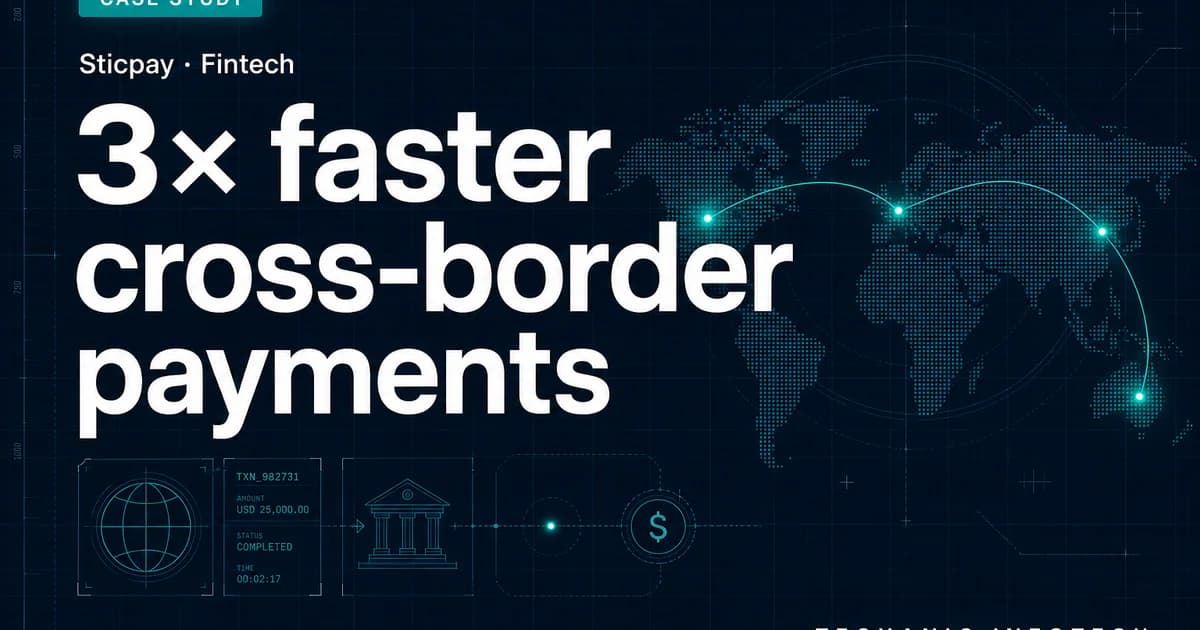
Sticpay needed a secure, scalable digital wallet supporting multi-currency transactions, merchant integrations, and regulatory compliance across multiple Southeast Asian markets.

TaxiMe wanted to compete with international ride-hailing giants by offering a localized experience with Bulgarian language support, local payment methods, and fleet management tools.

Jumunona needed a multi-vendor marketplace supporting local payment methods, Tajik/Russian language localization, and logistics integration for a region with limited e-commerce infrastructure.

Bag2Bag aimed to create a new category in Indian hospitality: hourly hotel bookings for business travelers, couples, and transit passengers, requiring real-time availability sync with hotel PMS systems.
Best Recognized By The Best
Here's what our clients say about working with us.
“They took our restaurant delivery concept from a pitch deck to a live app serving customers across Dubai in under 12 weeks. The real-time tracking and multi-restaurant support were game-changers for our growth.”
“Security and compliance were non-negotiable for our fintech platform. Their team delivered a SOC-2 compliant infrastructure with seamless payment integrations that passed regulatory review on the first attempt.”
“The telemedicine platform they built handles thousands of concurrent video consultations without a hitch. Patient satisfaction scores jumped 40% after we launched.”
“Our e-learning platform needed to support live classes, assessments, and certification across the MENA region. They delivered a scalable solution that launched in three markets simultaneously.”
Tell us what you're building and where it's stuck. You'll get a named engineer, a scoped plan, and a straight answer on cost and timeline not a sales deck.
Start a project