Case Study
Quick Commerce Platform
A connected commerce platform built to manage fast shopping, store fulfilment and rider operations across the UAE.
- 5 MonthsDelivery Timeline
- 12 MembersProject Team
- 3 PlatformsDigital Channels


Project Overview
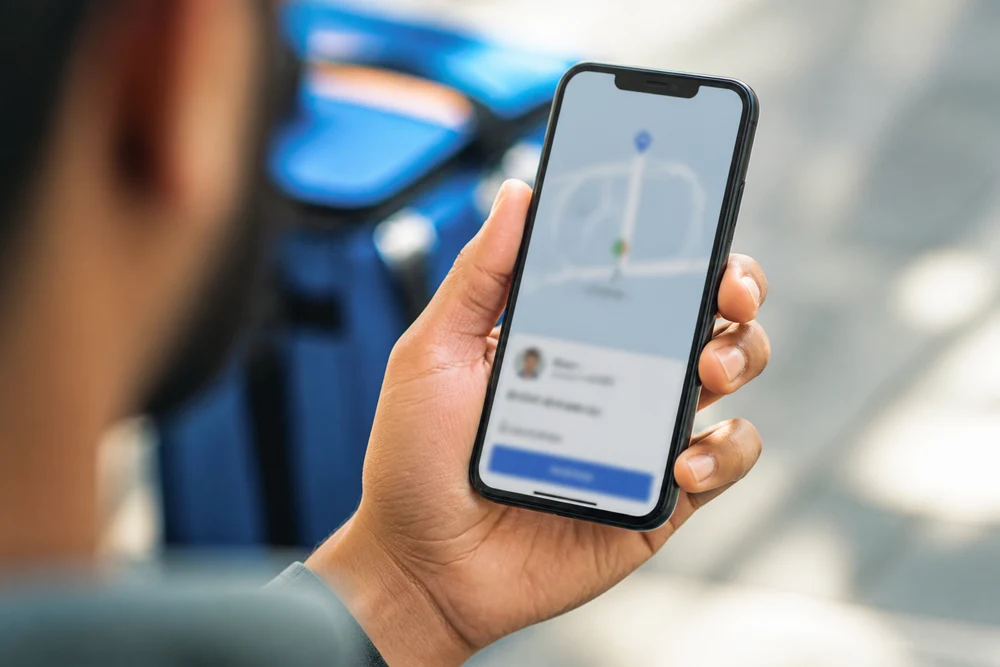
Quick Commerce Platform was developed for a UAE operator serving customers who expect everyday products to move from nearby stores to their doorstep with minimal waiting. The platform connects customers, store teams, riders and central operations through dedicated interfaces and shared order data. Customers can browse products, check availability, place orders and follow fulfilment progress. Store teams can manage inventory, incoming orders and preparation status, while riders receive delivery tasks based on availability and location. The central operations interface provides visibility across orders and rider activity. The result is a focused quick commerce platform designed around short fulfilment windows and the operating realities of dense UAE delivery areas.
Project Idea
The business idea was to create a digital shopping service where customers could order frequently needed products from nearby stores without relying on a traditional retail fulfilment process. Techanic Infotech built the platform around short order cycles, local inventory and fast rider coordination.
Quick commerce creates pressure at every stage because product availability can change quickly while customers expect a reliable delivery estimate. Store teams also need to prepare orders while riders wait for collection, making disconnected systems difficult to manage during busy periods. A delay in one stage can affect the complete customer experience.
The solution connected product browsing, order preparation, rider assignment and delivery visibility in one operating model. Store availability could be updated through the merchant interface, while the operations team could monitor active orders and rider capacity. Live tracking gave customers clearer visibility after dispatch and helped the team identify delayed deliveries.
The product principle focused on speed, accuracy and operational control. Customers needed a simple route from product discovery to checkout, store teams needed practical fulfilment controls, and riders needed clear delivery tasks. Behind these experiences, the operator needed dependable order data and enough visibility to manage demand as it changed throughout the day.

Challenges
The platform had to support different customer behaviours, from a first time shopper ordering a few household essentials to a returning customer placing a larger basket during an evening demand period. The interface needed to make product discovery and checkout quick while still presenting accurate delivery information. UAE customers also needed clear address handling because building, apartment and locality details can affect rider fulfilment.
Product availability was another important challenge. Grocery and convenience inventory can change during the day, particularly for high demand items. The platform needed store teams to update stock and order status without creating unnecessary operational work. Search and catalogue flows were therefore designed to accommodate changing availability while keeping product information useful for customers.
Performance became especially important during evening peaks and weekend shopping periods. Multiple customers could search products, update baskets, submit payments and request delivery within a short period. At the same time, riders were moving between stores and customer locations. The architecture was designed to keep checkout, order status, live tracking and rider dispatch responsive during these concentrated demand periods.

Project Milestones We Achieved
| Milestone | Tasks | Timeline | Responsible |
|---|---|---|---|
| Project Discovery and Planning | Studied UAE shopping behaviour, mapped fulfilment stages, defined store workflows, documented rider requirements and prioritised launch scope | Month 1 | Business Analyst and Project Manager |
| UI/UX Design | Designed customer shopping journeys, store screens, rider flows, checkout interactions and central operations views for daily use | Month 2 | UI UX Designer and Product Designer |
| Core Development | Developed customer interfaces, store management, rider workflows, order services, inventory controls and central operations functionality | Month 3 to 4 | Flutter Developer and Backend Developer |
| Integrations and Testing | Connected payment services, notifications, maps and cloud infrastructure, then tested order states and peak traffic behaviour | Month 4 to 5 | QA Engineer and DevOps Engineer |
| Launch and Optimization | Prepared production deployment, supported initial store onboarding, reviewed operational behaviour and refined fulfilment and dispatch workflows | Month 5 | Project Manager and DevOps Engineer |
Project Features
The platform was structured around the short fulfilment cycles expected from quick commerce. Each feature supports a specific point in the customer or operational journey, from finding available products to preparing orders, assigning riders and completing doorstep delivery.
Customer Signup and Profile
Customers can create profiles, manage delivery addresses, save contact information and maintain account details for faster future shopping sessions.
Quick Product Ordering
Customers can browse available products across categories, add items to baskets, complete checkout and place orders through one focused shopping journey.
Live Delivery Tracking
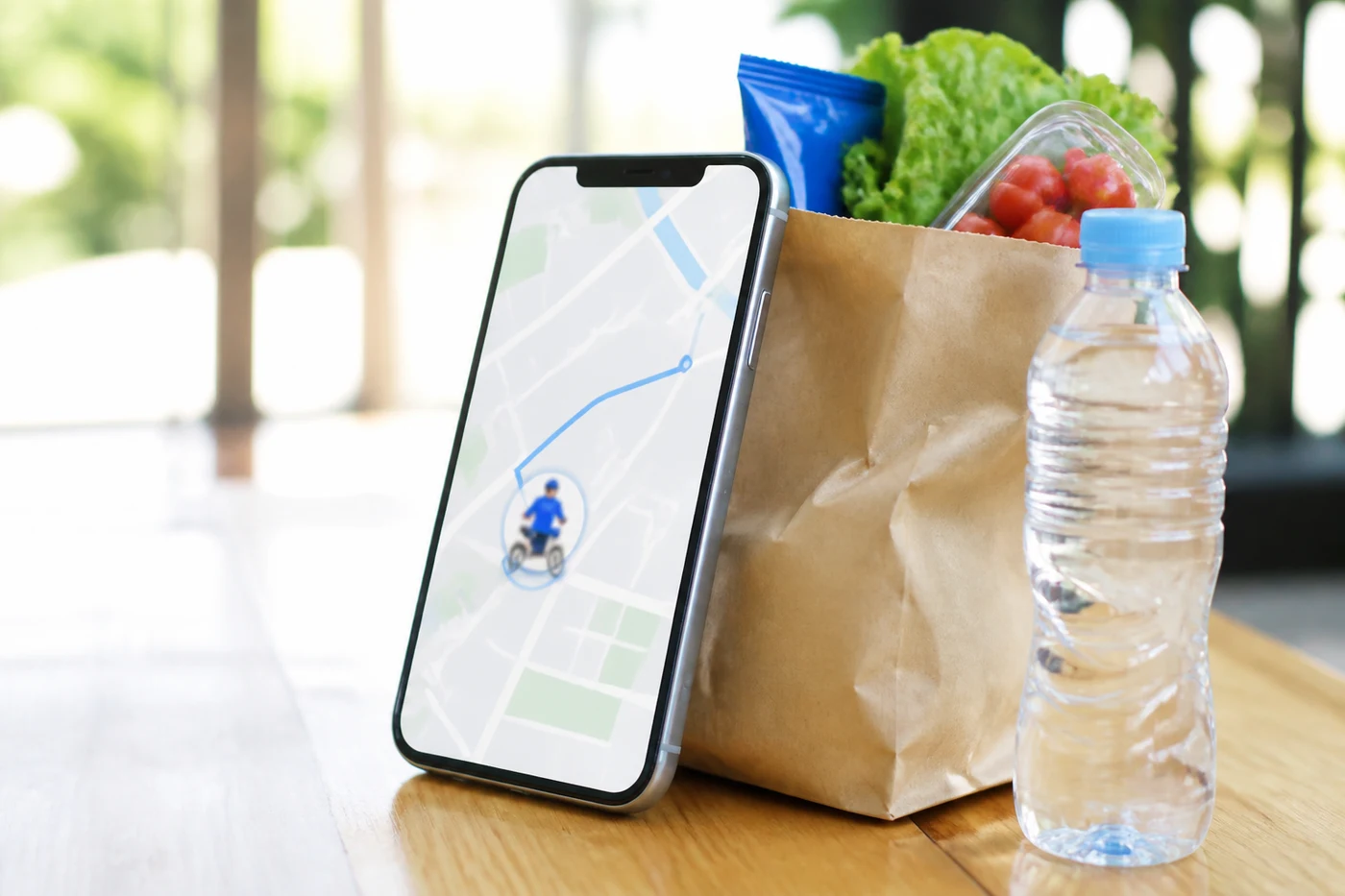
Customers can view order progress and rider movement after dispatch, giving them clearer delivery visibility from store collection through doorstep arrival.
Smart Rider Dispatch
The system supports rider assignment using availability, location and active workload so delivery capacity can be directed towards current orders.
Store Management Dashboard
Store teams can manage product availability, review incoming orders, update preparation status and keep fulfilment information aligned with customer expectations.
Repeat Shopping
Customers can access previous purchases and reorder commonly needed products, reducing the number of steps required for routine shopping.
Results
Techanic Infotech delivered a complete quick commerce platform across Android, iOS and Web, connecting customers with participating stores and a dedicated rider operation. The launch brought shopping, fulfilment, dispatch and central monitoring into one connected product instead of relying on separate operational tools.
The operator gained a shared view of store activity, active orders and rider availability. This made it easier to identify orders waiting for preparation, coordinate rider collection and review delivery progress. Store teams could focus on fulfilment while the operations team retained broader visibility across the service.
For customers, the experience became more predictable from product search through delivery. Product availability, checkout and live tracking were handled within the same journey, while merchants received clearer order states and practical controls for managing daily fulfilment.
The platform also gives the client a foundation for expanding its UAE coverage without rebuilding the core system. Additional stores, categories, service areas and rider capacity can be introduced through the existing architecture as operational volume grows.

Development Process
Explore
- Customer shopping behaviour
- Store fulfilment patterns
- UAE delivery expectations
- Shopping journey mapping
- Order state planning
- Rider workflow definition
Implement
- Simple product discovery
- Focused checkout experience
- Clear delivery status
- Customer platform development
- Store management tools
- Dispatch services
Execute
- Basket flow testing
- Payment validation checks
- Peak load testing
- Production readiness checks
- Store onboarding support
- Operational performance review
Typography & colors
Inter
ABCDEFGHIJKLMNOPQRSTUVWXYZ
abcdefghijklmnopqrstuvwxyz
1234567890
Primary
#2563EB
Secondary
#60A5FA
Tertiary Color
#DBEAFE
Icons Color
#1E293B
Text Color
#ffffff
Background Color
#ffffff
App Visuals
Bottled water 6 pack
Al Quoz dark storeDelivery
12 minStay on top of dispatch
QwikCart
Essentials in 15 minutes
You are almost there
Tech Stack
The technology stack was selected to support fast product search, responsive checkout, quick rider dispatch and consistent tracking across mobile and web experiences. Flutter provided the mobile development foundation, while NestJS handled backend services and business logic. MongoDB supported product and order data, Redis helped manage frequently accessed operational information, and AWS provided the infrastructure for deployment and scaling.
- Flutter
- NestJS
- MongoDB
- Redis
- AWS
Have an Idea for a Scalable Platform?
Techanic Infotech can build the technology needed to connect customers, merchants and operations at scale.
Talk to Our Experts