Case Study
QR Payment Ecosystem
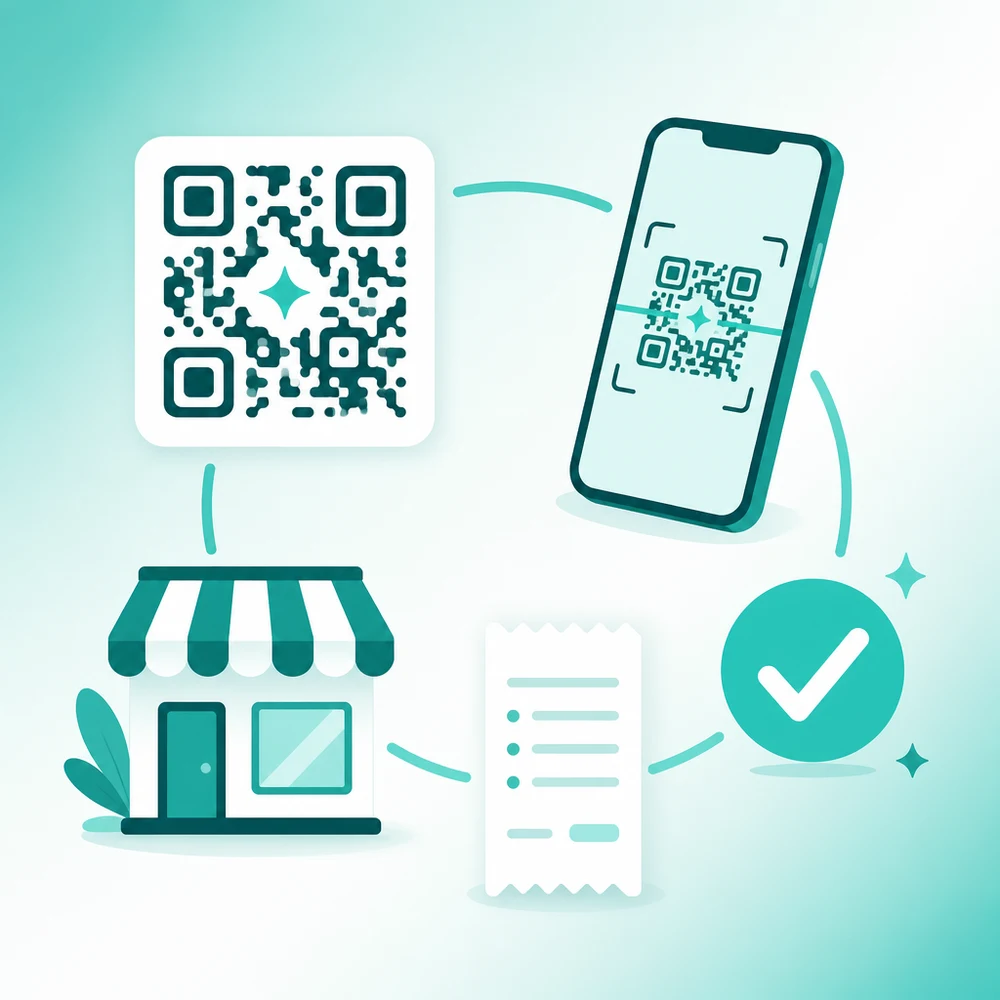
A practical QR payment platform connecting customers, merchants and payment operations through one connected digital experience.
- 7 MonthsDelivery Timeline
- 12 MembersProject Team
- 4 InterfacesConnected Experiences
Project Overview
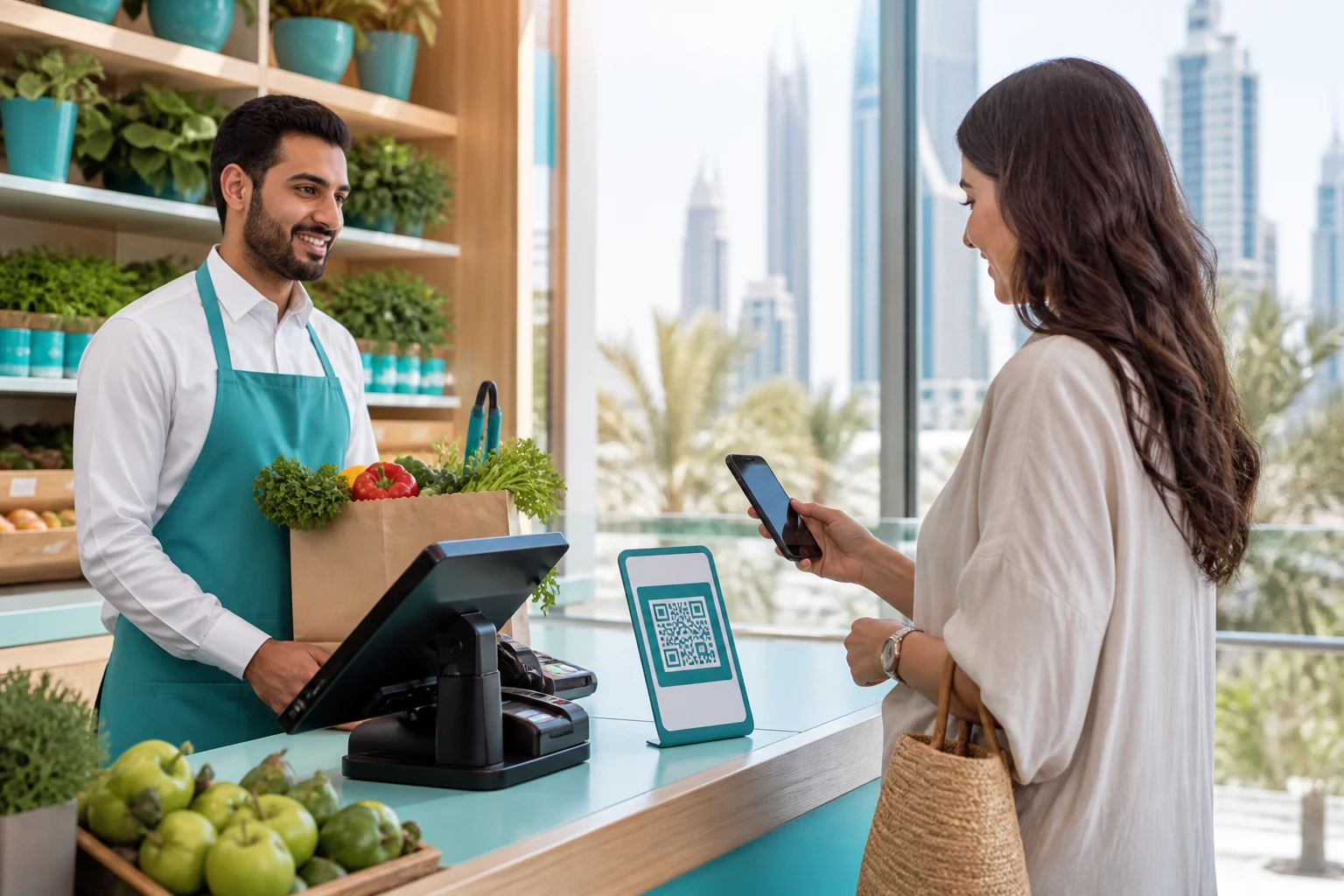
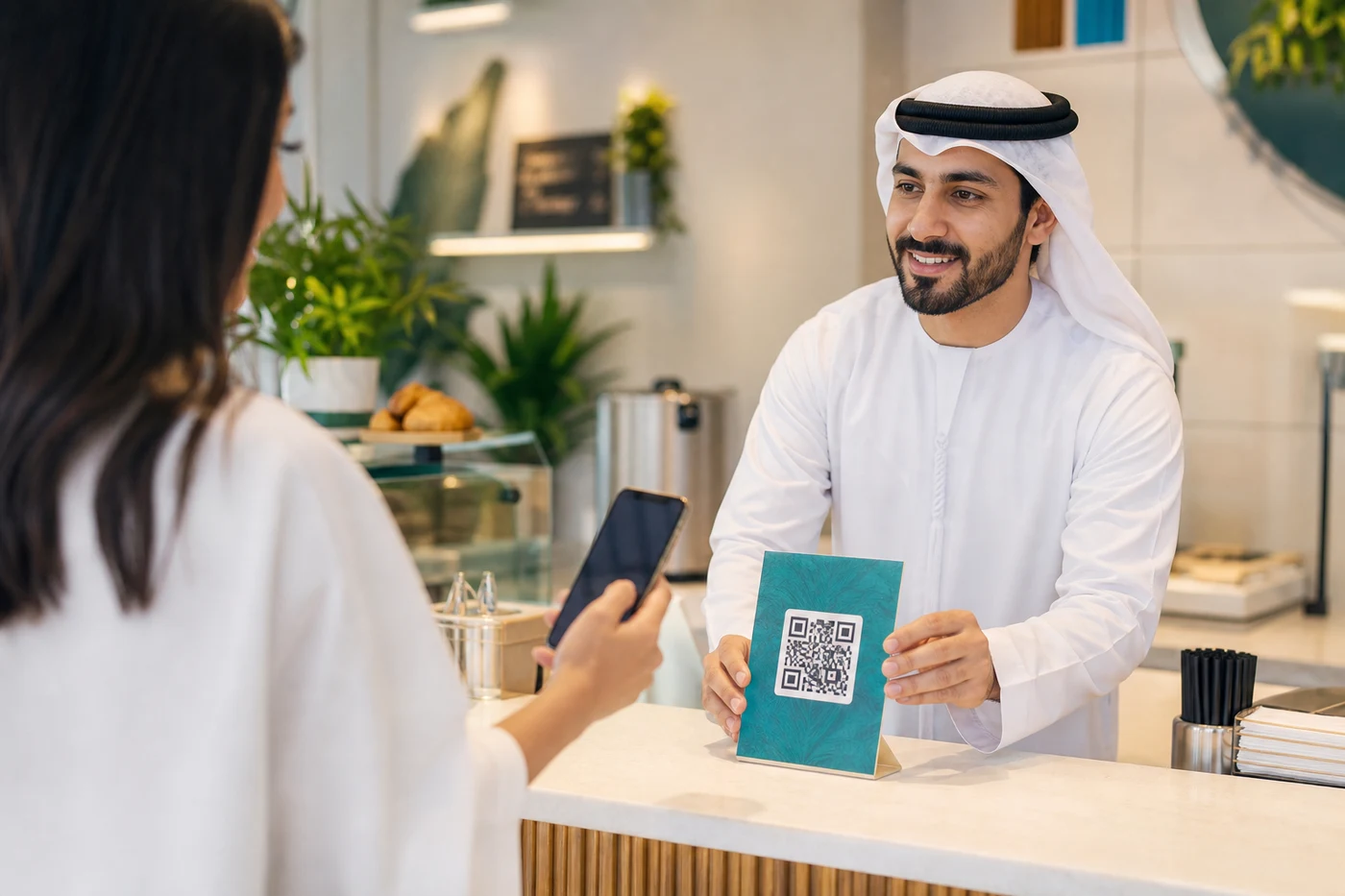
QR Payment Ecosystem was developed for a private UAE payment operator looking to give merchants a simpler way to accept digital payments through QR codes. Customers could scan a merchant code, confirm the amount and complete payment from their mobile device, while merchants could create payment points and monitor transactions through a dedicated dashboard. The operations team managed merchants, transaction activity, user access and reporting from a central web interface. Techanic Infotech designed the platform around everyday UAE payment behaviour, where transactions can happen across shops, service counters and small business locations. One connected system kept payment activity easier to track and manage.
Project Idea
The business idea was to create a QR payment service that could work across different merchant environments without requiring each business to adopt a separate digital workflow. The platform brought customer payments, merchant acceptance and operational oversight together so every transaction could be followed from initiation through confirmation.
Before the platform, QR based payment operations could become difficult to manage when merchant records, payment activity and support information lived in separate systems. A merchant needed confidence that a payment had arrived, while the customer needed immediate confirmation and the operator needed enough information to resolve disputed or incomplete transactions.
Techanic Infotech built one connected platform where QR codes could be linked to merchant payment points and transactions could move through a defined status flow. Customers received a guided payment experience, merchants gained direct transaction visibility and the operations team could review activity from a shared administrative environment.
The product principle focused on trust, clarity and control. Payment interfaces were kept deliberately straightforward because users should not have to interpret technical information while paying. Behind the simple customer journey, the platform provided structured transaction records and operational controls that gave the payment operator a stronger foundation for daily management.

Challenges
The product needed to accommodate both regular digital payment users and customers using QR payments for the first time. The customer flow therefore had to make scanning, amount review and payment confirmation easy to understand. At the same time, merchant staff needed quick access to transaction status during busy periods, especially when several customers were paying at the same counter.
Merchant setup introduced another layer of complexity. Businesses could have several branches, counters or payment points, and each QR code needed to remain associated with the correct merchant record. Techanic Infotech structured the platform so payment points, merchant profiles and transaction records stayed connected. This helped reduce confusion when operators reviewed activity or merchants needed to trace a specific payment.
The system also had to remain responsive when payment activity increased around lunch hours, retail peaks and weekends. A customer waiting for payment confirmation can easily attempt the transaction again if the first response is unclear. The platform therefore handled pending and completed states carefully, giving customers and merchants visible confirmation while maintaining a consistent transaction record for operations teams.

Project Milestones We Achieved
| Milestone | Tasks | Timeline | Responsible |
|---|---|---|---|
| Project Discovery and Planning | Analysed merchant workflows, mapped customer payment journeys, defined transaction states and documented operational reporting requirements | Month 1 | Business Analyst and Product Manager |
| UI/UX Design | Designed customer payment screens, merchant dashboard views, QR management flows and central administration interfaces | Month 2 | UI UX Designer and Product Designer |
| Core Development | Developed mobile applications, payment workflows, merchant controls, QR management services and transaction processing modules | Month 3 to 4 | Flutter Developer and Backend Developer |
| Integrations and Testing | Integrated payment services, notifications and cloud infrastructure, then validated transaction flows and access permissions | Month 5 to 6 | QA Engineer and DevOps Engineer |
| Launch and Optimization | Released the platform, supported merchant setup, monitored transaction behaviour and refined payment workflows after launch | Month 7 | Project Manager and DevOps Engineer |
Project Features
The platform was built around the practical needs of a QR payment operation. Customers receive a focused payment journey, merchants get clearer transaction visibility, and administrators can manage activity through one central system.
Customer Signup and Profile
Customers can create accounts, manage personal information, update contact details and access their payment activity from a single profile.
QR Code Payments
Customers can scan merchant QR codes, review payment information and confirm transactions through a simple mobile payment journey.
Payment Confirmation
The platform provides clear payment status updates so customers and merchants can distinguish completed, pending and unsuccessful transactions.
Merchant Management
Merchants can manage payment locations, review transaction activity and maintain relevant business information through a dedicated dashboard.
Transaction Monitoring
Operations teams can search transaction records, review payment states and trace activity across merchants through central monitoring tools.
Settlement Reporting
The platform organises transaction information into structured reports that help the operator review merchant activity and support settlement related processes.
Results
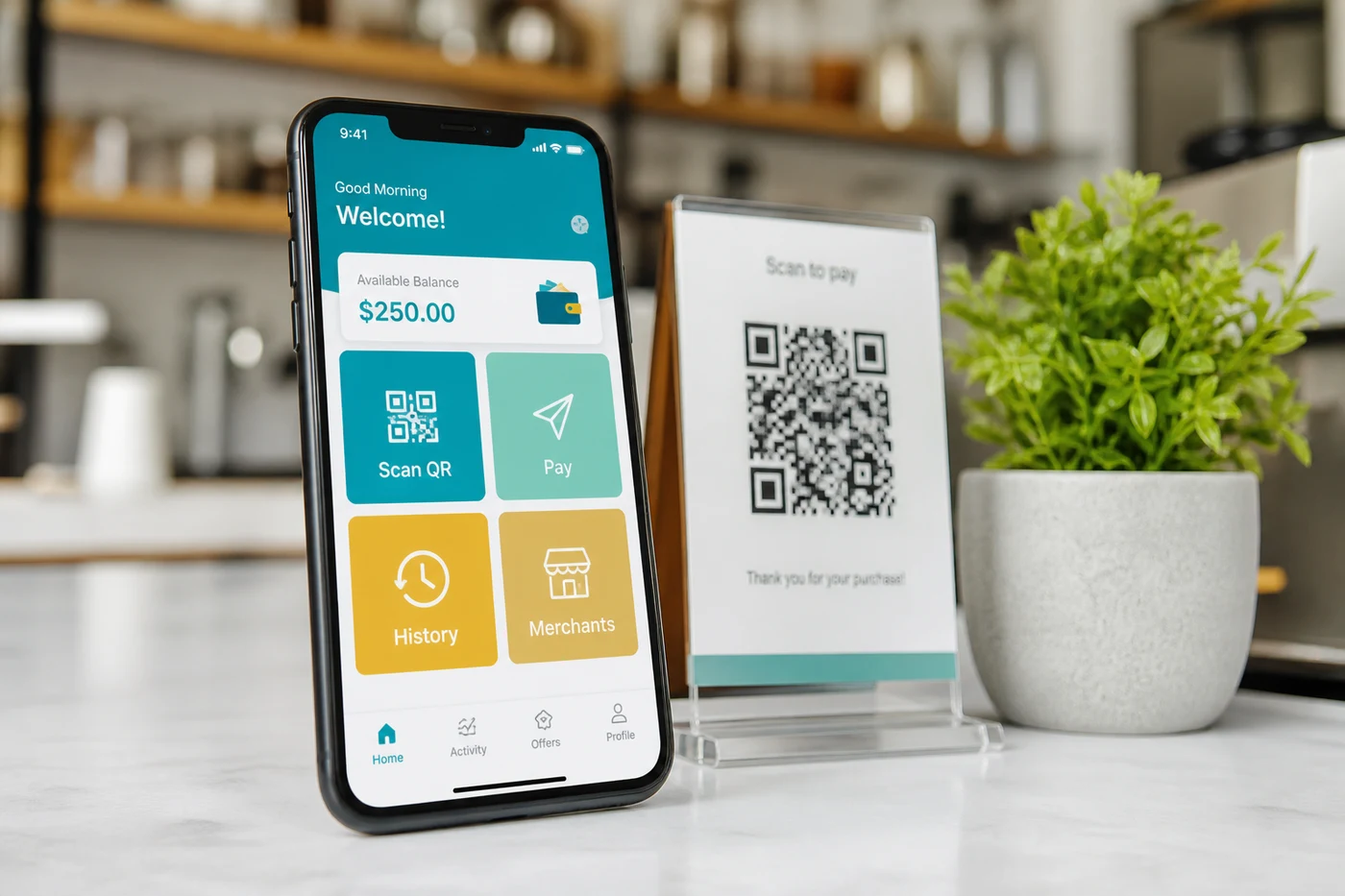
The completed product gave the UAE operator a connected QR payment platform covering customer payments, merchant management and central administration. Android and iOS applications handled customer interactions, while web interfaces gave merchants and internal teams the controls needed to manage payment activity.
The main operational improvement was having one source of transaction information. Merchant activity, payment states and account records could be reviewed through connected interfaces, making it easier for the operations team to investigate issues and support merchants without switching between unrelated systems.
Customers received a clearer payment experience with fewer uncertain steps between scanning a code and receiving confirmation. Merchants could review transactions through their dashboard rather than depending only on customer screens or manual confirmation. This created a more traceable process for routine payment activity and support requests.
The client can now add more merchants and payment locations within the existing platform structure. Future capabilities such as expanded reporting, additional payment methods, loyalty functions and broader merchant controls can be introduced without replacing the core payment experience.

Development Process
Explore
- UAE payment habits
- Merchant acceptance needs
- Customer trust expectations
- Payment journey mapping
- Merchant process mapping
- Transaction state planning
Implement
- Clear payment screens
- Simple QR interactions
- Focused merchant controls
- Payment service architecture
- QR processing logic
- Administration portal
Execute
- Payment flow testing
- Transaction state checks
- Permission validation
- Production readiness
- Merchant rollout support
- Usage monitoring
Typography & colors
Manrope
ABCDEFGHIJKLMNOPQRSTUVWXYZ
abcdefghijklmnopqrstuvwxyz
1234567890
Primary
#0F766E
Secondary
#2DD4BF
Tertiary Color
#CCFBF1
Icons Color
#111827
Text Color
#ffffff
Background Color
#ffffff
App Visuals
Bloom Cafe
QR · Counter 1Receipt
#Q118Stay up to date with QR payment alerts
QR Pay
Merchants ready nearby
You are almost there
Tech Stack
The stack was chosen to support responsive QR scanning, quick transaction lookups, payment status updates and a consistent experience across mobile and web. Flutter powered the mobile applications, NestJS handled backend services, PostgreSQL stored structured payment and merchant records, Redis supported fast transaction state access, and AWS provided the infrastructure for deployment, monitoring and future scale.
- Flutter
- NestJS
- PostgreSQL
- Redis
- AWS
Have an Idea for a Scalable Platform?
Techanic Infotech can build connected payment products that simplify transactions, merchant operations and customer experiences.
Talk to Our Experts