
Case Study
Enterprise Logistics Platform
A connected logistics platform giving UAE teams clearer control over shipments, fleets, drivers and daily delivery operations.
- 7 MonthsDelivery Timeline
- 13 MembersProject Team
- 4 InterfacesConnected Experiences

Project Overview
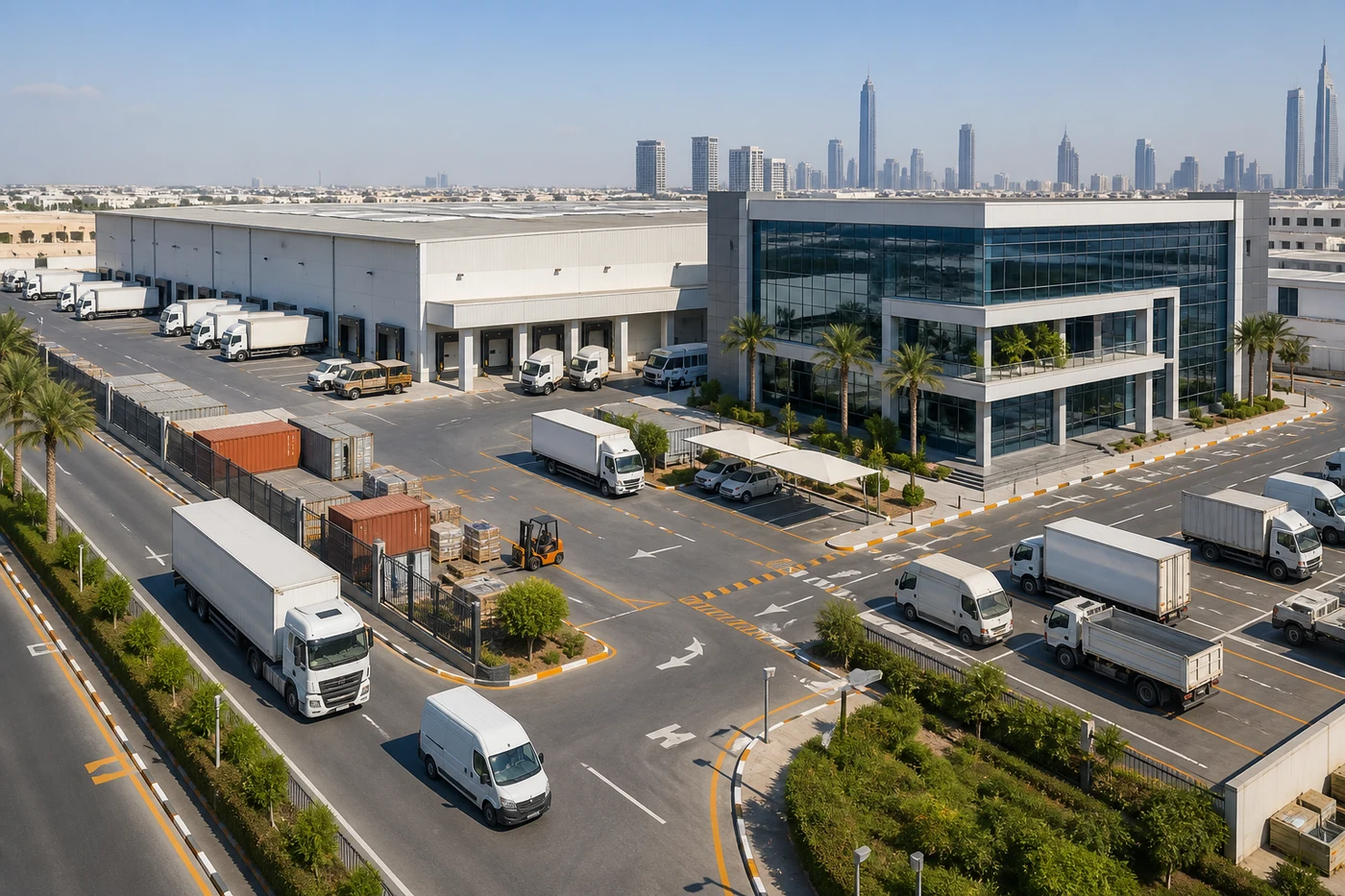
Enterprise Logistics Platform was developed for a private UAE logistics operator managing shipments across multiple customers, vehicles, drivers and operating locations. The platform connected shipment creation, assignment, fleet management, driver activity, delivery status and operational reporting through one system. Customers could follow shipment progress, drivers received assigned jobs through a dedicated interface, and operations teams managed daily activity from a central web dashboard. Techanic Infotech designed the platform around the practical demands of UAE logistics, where traffic conditions, delivery windows, fleet availability and changing shipment priorities can affect daily schedules. Bringing these functions together gave the operator better visibility without relying on separate operational tools.
Project Idea
The business idea was to give the logistics operator one digital platform for managing shipments from booking through delivery. Instead of separating customer tracking, driver assignments and fleet administration across different systems, the product connected these workflows around a shared operational record.
The existing operating model needed to handle different shipment sizes, delivery locations and vehicle requirements. When information sits across separate tools, dispatch teams can spend time confirming driver availability, checking shipment status and reconciling updates. This becomes more difficult when traffic delays or customer requests change the planned delivery sequence.
Techanic Infotech built a shared platform where shipments could be created, assigned and tracked while driver and fleet information remained connected. Operations teams could see active deliveries, review driver availability and manage exceptions from one dashboard. Customers received clearer shipment visibility without needing access to internal logistics processes.
The product principle was based on visibility, efficiency and control. Drivers needed concise job information while on the road, customers needed dependable delivery status, and operations teams needed enough detail to make quick decisions. The platform therefore kept customer facing information simple while providing deeper controls to the teams managing the fleet.

Challenges
The platform had to support different users throughout the delivery process, from customers creating shipment requests to dispatch teams managing several active jobs. Driver workflows needed to remain simple because drivers often interact with the system between stops rather than from a desk. Operations staff, meanwhile, needed more detailed information about vehicle availability, shipment priority and delivery progress.
Shipment information also varied according to the type of consignment and delivery requirement. A shipment could involve different package details, pickup locations, delivery addresses, vehicle needs and delivery windows. Techanic Infotech structured the shipment workflow so required information could be captured consistently while allowing operations teams to manage different shipment conditions without creating separate systems.
Performance became particularly important during busy logistics periods when many shipments were being assigned and updated at once. UAE traffic can change delivery times quickly, especially around major commercial areas and peak road hours. The platform needed responsive dispatch, driver status updates and shipment tracking so operations teams could react when a route changed or a delivery required intervention.
Project Milestones We Achieved
| Milestone | Tasks | Timeline | Responsible |
|---|---|---|---|
| Project Discovery and Planning | Mapped shipment workflows, reviewed dispatch operations, defined fleet roles and documented customer visibility requirements | Month 1 | Business Analyst and Project Manager |
| UI/UX Design | Designed customer tracking, driver tasks, fleet views, shipment workflows and central logistics dashboard interfaces | Month 2 | UI UX Designer and Product Designer |
| Core Development | Built mobile interfaces, shipment services, driver management, fleet controls, dispatch workflows and operational dashboards | Month 3 to 4 | Flutter Developer and Backend Developer |
| Integrations and Testing | Connected mapping, notifications and cloud services, then tested shipment flows, dispatch scenarios and operational permissions | Month 5 to 6 | QA Engineer and Integration Engineer |
| Launch and Optimization | Prepared production systems, supported driver onboarding, monitored operational usage and refined dispatch and tracking workflows | Month 7 | Project Manager and DevOps Engineer |
Project Features
The platform was designed around the daily decisions made by logistics teams. Customers receive useful shipment visibility, drivers get focused delivery tasks, and operations teams gain central control over fleet and shipment activity.
Customer Shipment Management
Customers can create shipment requests, enter pickup and delivery details, review shipment information and follow progress from a single account.
Shipment Booking and Tracking
The platform supports shipment creation across different delivery requirements while giving customers clear status updates as consignments move through fulfilment.
Live Shipment Tracking
Customers and operations teams can view current shipment progress, helping them understand delivery status and identify situations that may need attention.
Driver Assignment
Dispatch teams can assign shipments based on driver availability, vehicle suitability, location and current workload to support more practical daily scheduling.
Fleet Management Dashboard
Operations teams can monitor vehicles, driver availability, active assignments and fleet activity through a central dashboard designed for daily logistics control.
Delivery Records and Reporting
The system maintains structured shipment and delivery records so teams can review completed jobs, investigate exceptions and understand operational activity.

Results
Techanic Infotech delivered Enterprise Logistics Platform across Android, iOS and Web, connecting shipment management, driver activity, fleet administration and customer visibility within one operational system. The launch replaced fragmented workflow handling with a connected digital process that could support the operator's day to day logistics activity.
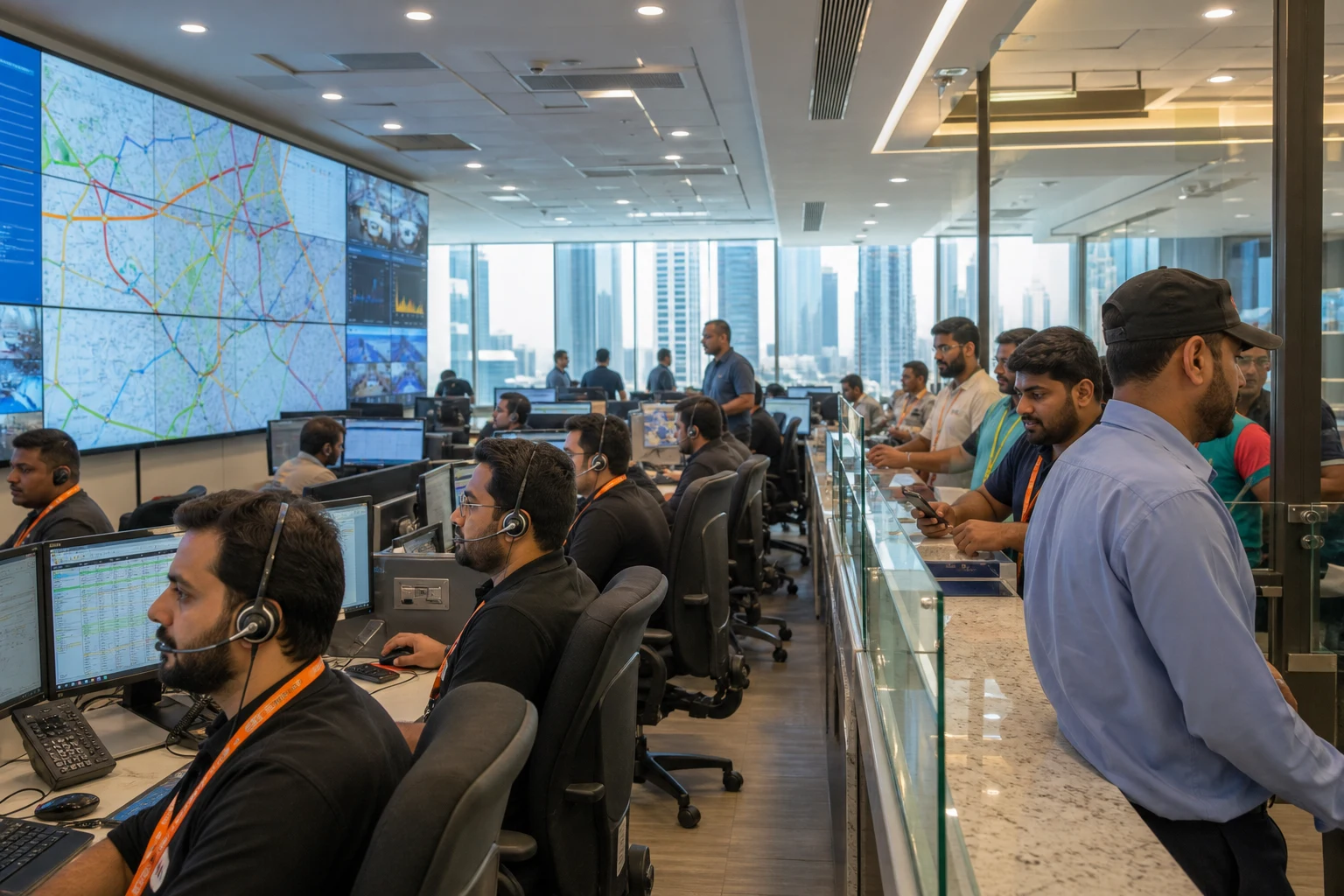
The main operational outcome was greater visibility across one fleet and one central dashboard. Dispatch teams could review active shipments, driver availability and delivery progress from a shared interface, making it easier to respond when traffic, vehicle availability or customer requirements changed during the day.
Customers gained clearer shipment visibility without needing to contact the operations team for every status update. Drivers received structured delivery tasks with the information needed for their current jobs, while internal teams had more consistent records for completed shipments, exceptions and service follow up.
The client can continue expanding its UAE logistics operation within the existing platform structure. Additional vehicles, drivers, service areas, shipment categories and reporting capabilities can be introduced without rebuilding the core system, giving the operator a practical foundation for measured growth.

Development Process
Explore
- UAE logistics behaviour
- Fleet operation needs
- Shipment service requirements
- Shipment journey mapping
- Driver task planning
- Dispatch workflow mapping
Implement
- Clear driver screens
- Simple booking flows
- Focused operations views
- Shipment service layer
- Fleet management logic
- Web operations dashboard
Execute
- Dispatch scenario testing
- Tracking validation
- Permission checks
- Production readiness checks
- Driver onboarding support
- Operational monitoring
Typography & colors
Plus Jakarta Sans
ABCDEFGHIJKLMNOPQRSTUVWXYZ
abcdefghijklmnopqrstuvwxyz
1234567890
Primary
#EA580C
Secondary
#FB923C
Tertiary Color
#FFEDD5
Icons Color
#111827
Text Color
#ffffff
Background Color
#ffffff
App Visuals
Consignment EL392
Jebel Ali to DIPStatus
ReadyReact when a route changes
LogiCore
Fleet and shipments together
You are almost there
Tech Stack
The technology stack was selected to support high volume shipment searches, fast dispatch, live location updates and a consistent mobile and web experience. Flutter powered the mobile interfaces, NestJS handled backend services, MongoDB stored flexible shipment and fleet records, Redis supported fast access to active dispatch data, and AWS provided the infrastructure for deployment, monitoring and future scaling.
- Flutter
- NestJS
- MongoDB
- Redis
- AWS
Have an Idea for a Scalable Platform?
Techanic Infotech can turn complex logistics operations into a connected platform built for practical growth.
Talk to Our Experts