
Case Study
Enterprise Grocery Commerce Platform
A connected grocery commerce platform built to manage customer orders, merchant operations, inventory and fulfilment across the UAE.
- 7 MonthsDelivery Timeline
- 13 MembersProject Team
- 4 InterfacesConnected Experiences
Project Overview
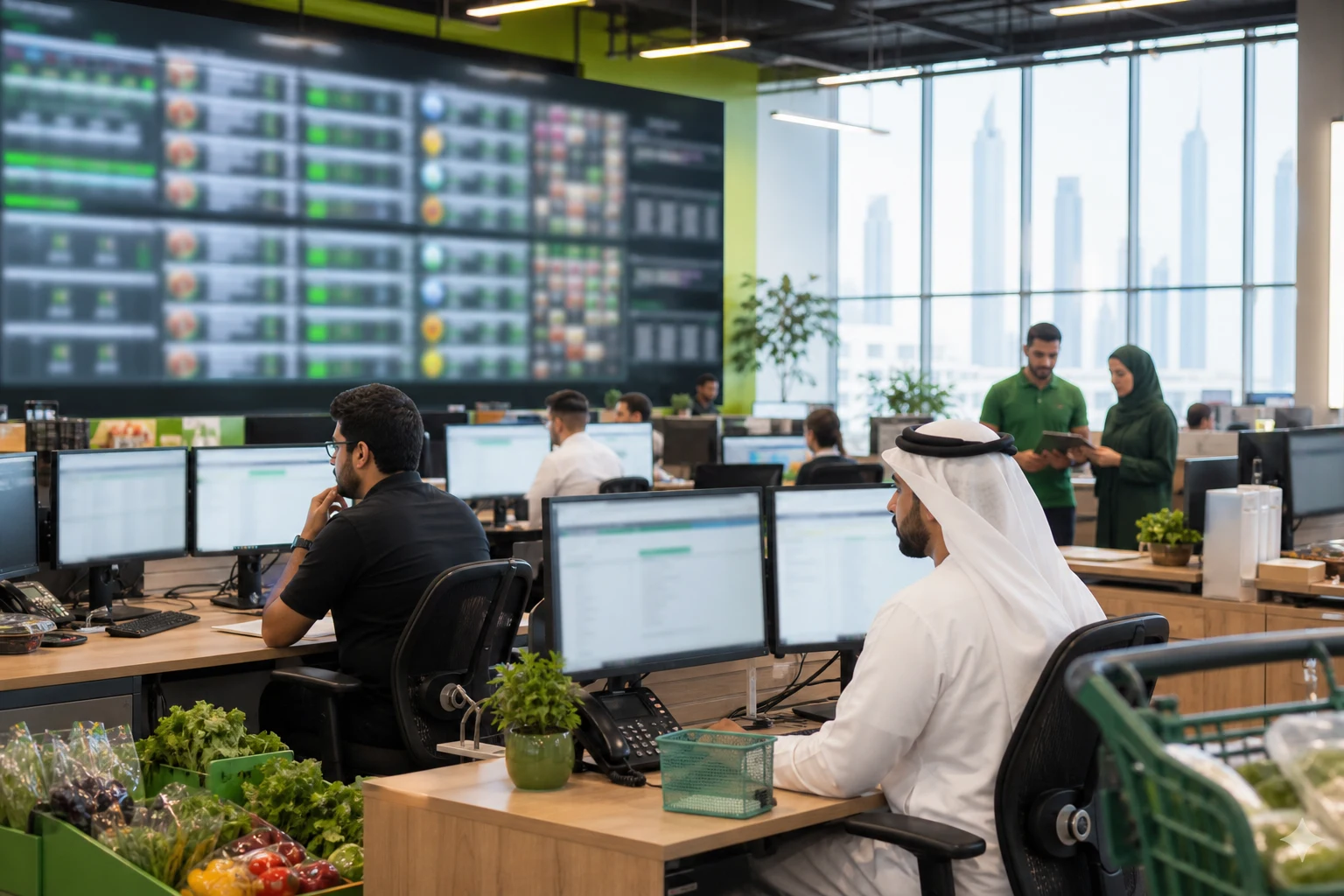
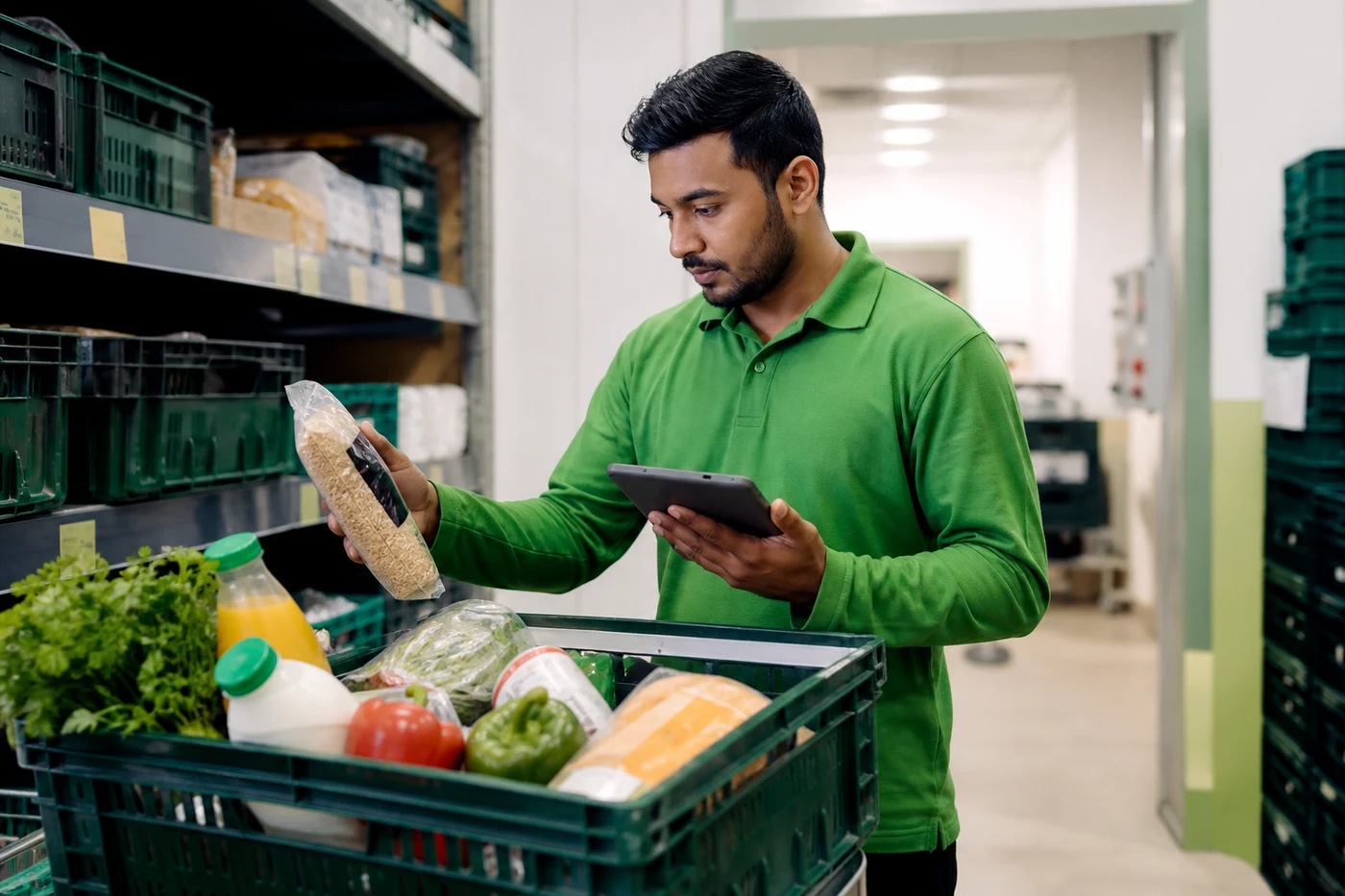
Enterprise Grocery Commerce Platform was built for a private UAE grocery operator managing a growing digital ordering business across multiple locations. The platform connected customers, store teams, delivery staff and central operations through one commerce system. Customers could browse grocery catalogues, manage baskets, place orders and follow fulfilment progress. Store teams handled product availability, order preparation and substitutions through operational interfaces, while central teams managed stores, catalogues, pricing and order activity. Techanic Infotech designed the system around UAE grocery behaviour, where customers expect accurate stock information, convenient ordering and dependable fulfilment, especially during weekends, evenings and periods of higher household demand.
Project Idea
The business idea was to create one enterprise commerce platform capable of supporting grocery ordering from discovery through fulfilment. The operator needed a digital foundation that could handle customers, stores, products and orders without creating separate systems for each location.
Grocery commerce becomes difficult to manage when product data, stock information and customer orders are maintained in disconnected tools. A customer may see an item as available while store staff know it is out of stock, creating substitutions, refunds and support requests. Store teams also need to prepare orders quickly without losing visibility over changing stock.
Techanic Infotech connected catalogue management, inventory information, ordering and fulfilment through one shared system. Customers could browse available products and place orders, while store teams could review baskets, manage substitutions and update preparation progress. Central operations could monitor activity across locations and identify issues before they became larger service problems.
The product principle focused on accuracy, speed and operational control. Grocery customers care about whether the products they order are actually available, while store teams need practical tools for handling exceptions. The platform therefore treated catalogue accuracy and fulfilment visibility as core parts of the customer experience rather than secondary administrative functions.

Challenges
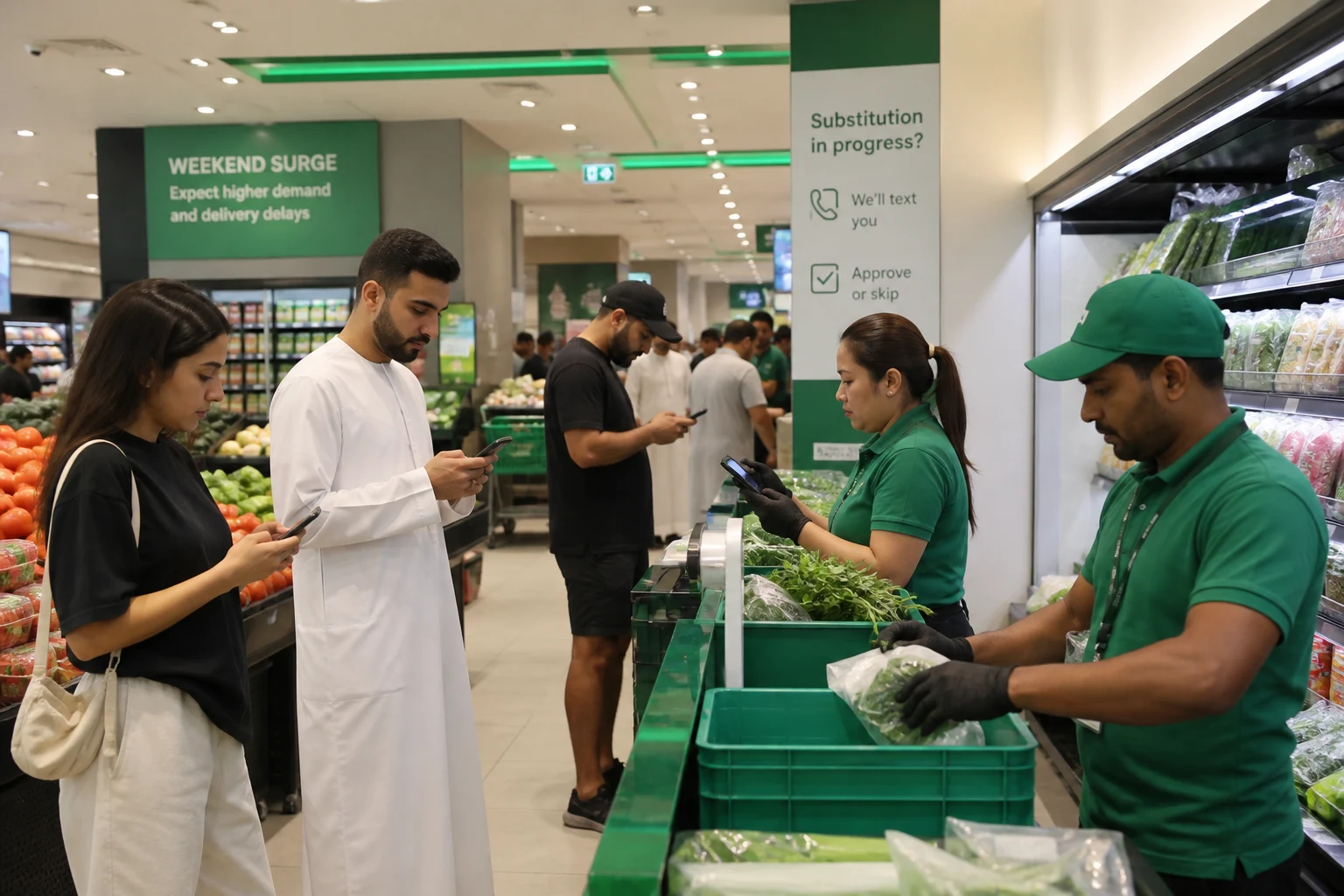
The platform needed to work for both first time grocery customers and frequent users placing larger household orders. Customers expected quick search, clear pricing and simple basket management, while store teams had to handle peak order volumes without losing track of substitutions or unavailable items. UAE evening demand and weekend shopping patterns made a consistent ordering flow particularly important.
Grocery catalogues change frequently, making product accuracy a major operational concern. Stock levels can vary between stores, promotional prices can change, and some products require quantity or weight information. Techanic Infotech designed the commerce model to keep product details, pricing and availability connected to the correct store, reducing the risk of customers ordering products that staff could not fulfil.
Performance also mattered when several stores experienced higher demand at the same time. Weekend grocery surges could increase search activity, basket creation and order submissions within a short period. The platform was structured to keep catalogue browsing, checkout, order updates and store operations responsive while allowing central teams to monitor fulfilment across locations.
Project Milestones We Achieved
| Milestone | Tasks | Timeline | Responsible |
|---|---|---|---|
| Project Discovery and Planning | Analysed grocery journeys, mapped store operations, defined catalogue rules and documented fulfilment requirements | Month 1 | Business Analyst and Product Manager |
| UI/UX Design | Designed customer shopping flows, store workflows, catalogue screens and central operations interfaces | Month 2 | UI UX Designer and Product Designer |
| Core Development | Built commerce services, customer interfaces, store tools, catalogue management and order processing capabilities | Month 3 to 4 | Flutter Developer and Backend Developer |
| Integrations and Testing | Connected payment, notifications and inventory services, then tested ordering, fulfilment and store scenarios | Month 5 to 6 | QA Engineer and Integration Engineer |
| Launch and Optimization | Prepared production environments, supported store onboarding, monitored order behaviour and refined operational workflows | Month 7 | Project Manager and DevOps Engineer |
Project Features
The platform was built around the practical work involved in grocery commerce. Customers receive a straightforward shopping journey, store teams gain fulfilment controls, and central operations can manage activity across locations from one connected system.
Customer Signup and Profile
Customers can create accounts, manage delivery details, save addresses and maintain profile information for faster grocery ordering.
Grocery Search and Ordering
Users can browse grocery categories, search products, manage baskets and place orders using clear product information and store availability.
Store Based Availability
Product availability can be managed by store so customers receive more relevant catalogue information when shopping from different locations.
Order Fulfilment Control
Store teams can review incoming baskets, manage preparation progress, handle substitutions and update order status through operational workflows.
Merchant Dashboard
The merchant dashboard gives store teams visibility into orders, products, availability and fulfilment activity without requiring access to the central administration system.
Reordering and Saved Items
Customers can revisit previous purchases and saved products, making routine household shopping quicker for frequently purchased grocery items.
Results
Techanic Infotech delivered a connected grocery commerce platform across Android, iOS and Web, bringing customer shopping, store fulfilment and central administration into one operating model. The platform was designed to support multiple grocery locations without requiring each store to maintain a separate digital commerce system.
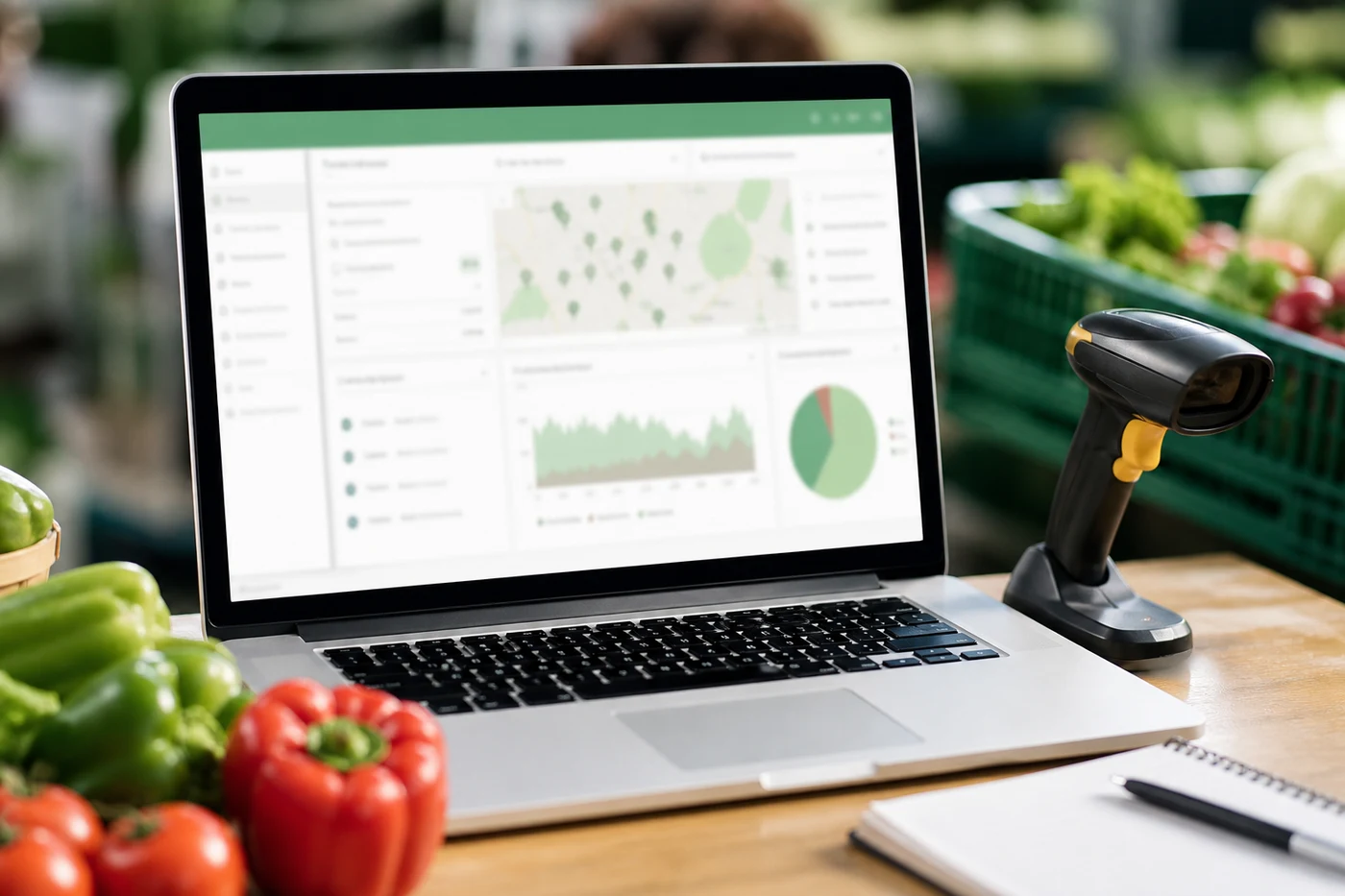
The main operational improvement was stronger visibility across stores. Central teams could review order activity, catalogue information and fulfilment progress through connected systems, while store staff had focused tools for preparing orders and handling unavailable products. This made it easier to identify operational issues before they affected larger numbers of customers.
Customers received a more consistent grocery journey from product discovery through checkout and fulfilment. Store teams could work from clearer order information and respond to substitutions within the operational flow. Better alignment between catalogue data and store availability also helped reduce avoidable customer confusion around unavailable products.
The client now has a foundation for expanding its grocery operation across the UAE without rebuilding the commerce platform for each new location. Additional stores, product categories, fulfilment models and customer services can be introduced within the existing architecture as the business grows.
Development Process
Explore
- UAE grocery behaviour
- Store fulfilment needs
- Customer shopping patterns
- Shopping journey mapping
- Store workflow planning
- Fulfilment process mapping
Implement
- Clear product discovery
- Fast basket management
- Focused store controls
- Commerce service layer
- Catalogue management
- Order processing
Execute
- Catalogue accuracy checks
- Order scenario testing
- Peak load validation
- Store rollout support
- Production monitoring
- Workflow optimisation
Typography & colors
Plus Jakarta Sans
ABCDEFGHIJKLMNOPQRSTUVWXYZ
abcdefghijklmnopqrstuvwxyz
1234567890
Primary
#16A34A
Secondary
#4ADE80
Tertiary Color
#DCFCE7
Icons Color
#111827
Text Color
#ffffff
Background Color
#ffffff
App Visuals
Greek yoghurt 500g
Store based availabilitySubstitute
Plain 500gCatch stock issues early
GrocerOps
Commerce across stores
You are almost there
Tech Stack
The technology stack was selected to support high traffic product search, fast checkout, catalogue updates, inventory activity and a consistent mobile and web experience. Flutter powered the mobile interfaces, NestJS handled backend services, PostgreSQL managed structured commerce data, Redis supported fast access to frequently requested catalogue and order information, and AWS provided the cloud infrastructure for deployment, monitoring and scaling.
- Flutter
- NestJS
- PostgreSQL
- Redis
- AWS
Have an Idea for a Scalable Platform?
Techanic Infotech can build enterprise commerce systems around complex products, stores, customers and fulfilment operations.
Talk to Our Experts